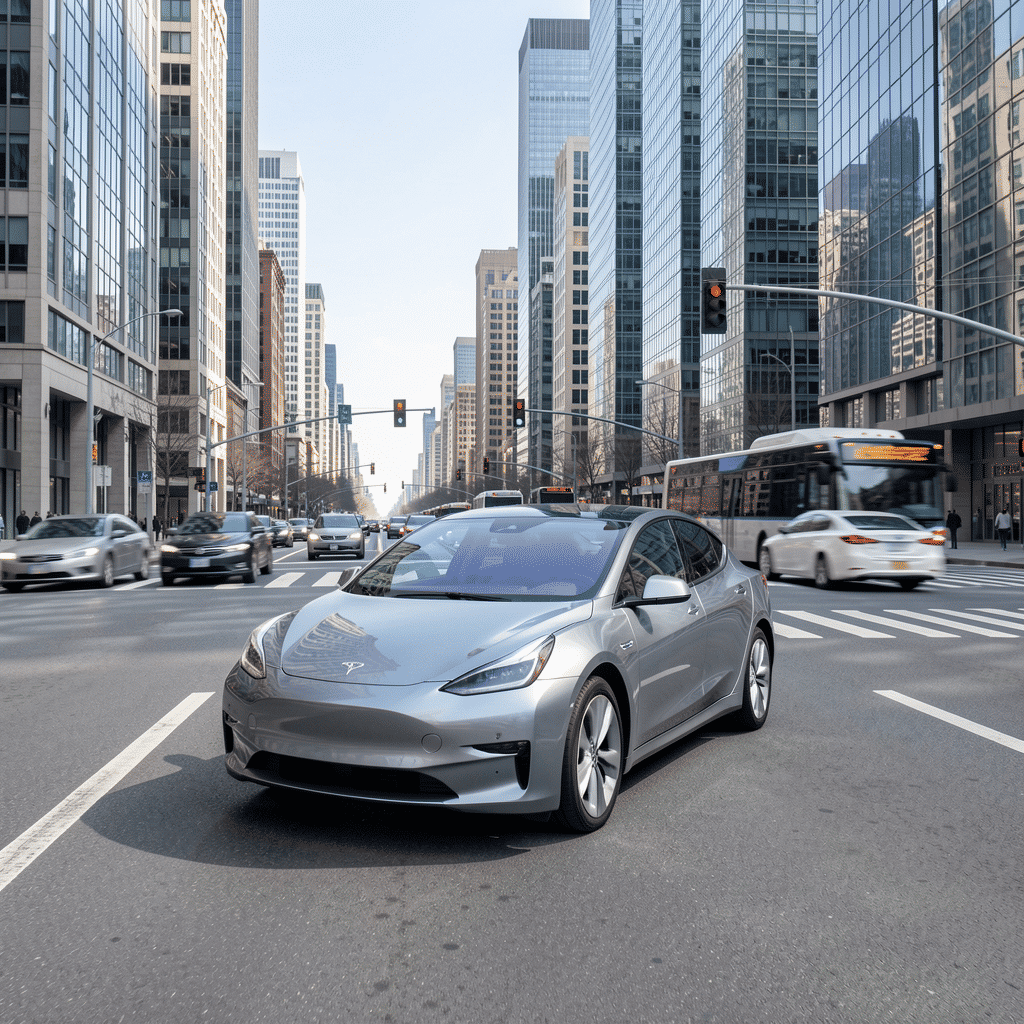
In today's rapidly evolving technological landscape, the concept of autonomous driving is no longer a vision of the distant future but rather a burgeoning reality redefining our experience of mobility. At the heart of this transformation lies cutting-edge autonomous driving technology, a sophisticated blend of advanced algorithms, precision sensors, and continuous learning systems designed to navigate the complexities of our roads with unparalleled safety and convenience.
Autonomous driving technology is anchored in the ability to perceive the environment accurately. This perception is achieved through a network of cameras, radar, lidar, and ultrasonic sensors that create a comprehensive, real-time 3D map of the vehicle’s surroundings. These sensors work in tandem to detect objects, recognize road signs, interpret traffic signals, and gauge the speed and trajectory of surrounding vehicles, ensuring that every journey is as informed and secure as possible.
The true prowess of autonomous vehicles emerges from their decision-making capabilities. Unlike human drivers, these systems are immune to distractions, fatigue, and emotional impulses. They rely on sophisticated algorithms that process vast amounts of data to make instantaneous decisions. Whether it’s determining the optimal speed, selecting the safest path, or executing an emergency stop, the precision with which these systems operate enhances both safety and road efficiency.
An essential aspect of autonomous driving technology is its ability to learn and adapt. Through machine learning and artificial intelligence, these systems continuously refine their operations. Every mile driven contributes to a broader understanding of driving patterns, unique road scenarios, and the nuances of human behavior. This constant evolution leads to smarter systems that progressively minimize risks, thereby enhancing the safety of each journey.
Despite the remarkable advancements, the journey towards fully autonomous vehicles is governed by stringent safety protocols and rigorous testing. Developers must ensure that each vehicle not only complies with legal standards but exceeds them, often involving millions of miles of both simulated and actual driving before a vehicle is deemed roadworthy. This exhaustive testing phase underscores the commitment to safety, building public trust in these technologies.
The introduction of autonomous driving is anticipated to revolutionize more than just convenience; it holds the potential to redefine entire urban landscapes. With reduced traffic congestion, better fuel efficiency, and minimized road accidents, cities can be reimagined, prioritizing green spaces and pedestrian zones over endless expanses of traffic lanes. This paradigm shift could significantly lower carbon emissions and foster environments that are cleaner and more sustainable.
Moreover, autonomous driving technology promises unprecedented accessibility. For individuals unable to drive due to disabilities or age, these vehicles offer newfound independence, empowering them to lead more autonomous lives. The ripple effects extend to logistics and public transport sectors, where autonomous fleets could provide more reliable and cost-effective solutions to everyday challenges.
While the road to widespread adoption of autonomous vehicles is still in the making, the foundation being laid today represents a monumental leap towards a future where mobility is safer, more efficient, and inclusive. The fusion of technology and transportation not only alleviates the burdens of driving but also harmonizes our roadways with the precision of artificial intelligence, truly redefining safety and convenience on all fronts.