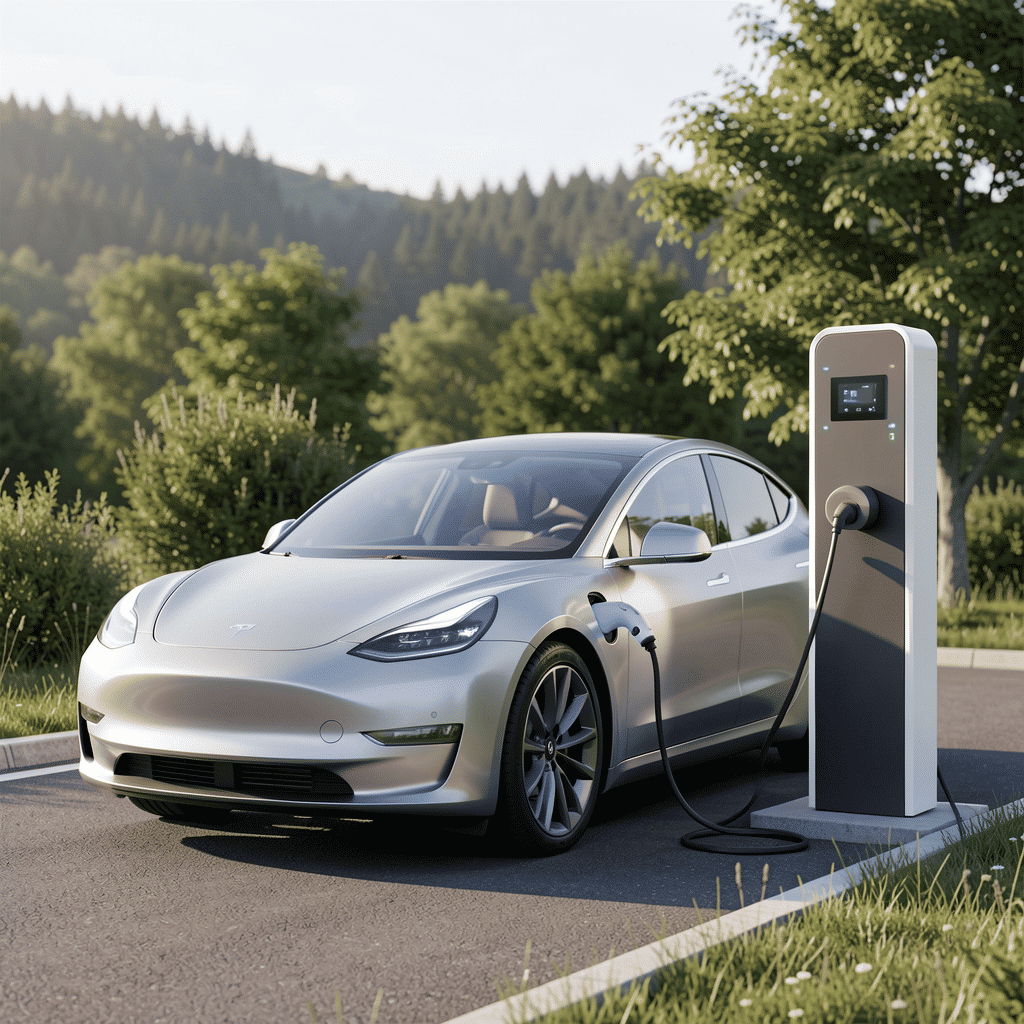
Electric vehicles (EVs) are at the forefront of the shift towards sustainable transportation, offering an innovative solution to some of the world's most pressing environmental challenges. As the global demand for eco-friendly alternatives increases, EVs are primed to redefine how we think about personal and commercial travel.
One of the most significant advantages of electric cars is their contribution to reducing carbon emissions. Unlike traditional vehicles powered by internal combustion engines, EVs produce zero tailpipe emissions. This fundamental difference plays a crucial role in decreasing air pollution and mitigating climate change. By adopting electric vehicles on a large scale, we can significantly diminish the transportation sector's environmental footprint, creating cleaner, healthier urban environments.
Another key aspect of the electric vehicle revolution is the advancement in battery technology. Over the years, battery efficiency has improved dramatically, driving down costs and increasing the range of electric vehicles. Lithium-ion batteries, the backbone of most modern EVs, offer a higher energy density and longer life spans than their predecessors. Furthermore, ongoing research into new materials and technologies, such as solid-state batteries, promises even greater improvements in energy storage, efficiency, and safety.
The global network of charging infrastructure has also experienced rapid growth, which is crucial to supporting the mass adoption of electric vehicles. Governments and private enterprises are investing heavily in expanding the availability of charging stations, making it more convenient for EV owners to recharge their cars at home and on the road. As the network continues to develop, range anxiety—one of the primary concerns among potential EV buyers—will steadily diminish, further encouraging the transition to electric mobility.
Electric cars also present economic benefits, both for individuals and broader societies. While the initial purchase price of an EV can be higher than that of a conventional vehicle, the total cost of ownership is often lower. This is due to reduced maintenance needs, as electric vehicles have fewer moving parts and experience less wear and tear. Moreover, the cost of electricity as fuel is often cheaper than gasoline, providing substantial savings over time.
In addition to their environmental and economic advantages, electric vehicles are inspiring innovation across the automotive industry. Automakers are creating new designs that maximize the technical benefits of electric powertrains. This includes sleek, aerodynamic models that improve efficiency and performance, as well as the integration of cutting-edge technologies such as autonomous driving systems and advanced connectivity features.
As electric vehicles continue to gain traction, they are destined to become a cornerstone of future transportation. The revolution in mobility is not just about replacing gasoline with electricity; it's about reimagining how we move through our world. By embracing electric vehicles, we are not only investing in a more sustainable future but also opening the doors to a wealth of new possibilities and advancements that will shape the way we experience transportation for generations to come.